


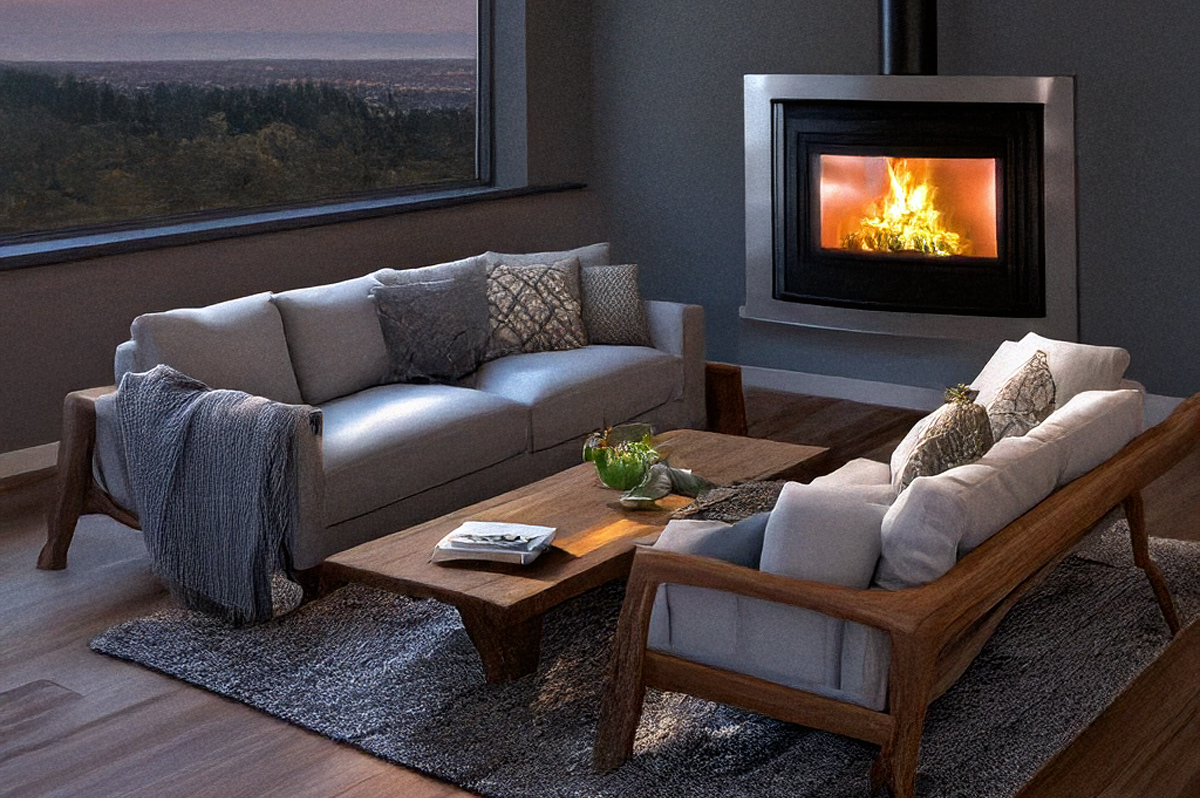
When it comes to heating your home with a wood-burning or multi-fuel stove, efficiency is everything. Not only does an efficient stove mean lower fuel costs and a warmer home, but it also reduces emissions and helps your stove perform at its best. While many homeowners focus on the stove itself, the flue system is just as important - if not more so - when it comes to getting the most out of your heating appliance.
In this post, we'll explore how choosing the right flue system can maximise your stove's efficiency and why it should be a top consideration for every stove installation.
Why Your Flue System Matters
The flue system is responsible for safely carrying smoke and gases away from your stove, while also maintaining the correct draught (airflow) to keep the fire burning efficiently. An ineffective or poorly matched flue can cause issues such as:
- Poor stove performance
- Excessive fuel use
- Difficulties lighting and maintaining a fire
- Smoke backflow into the room
- Increased creosote buildup, leading to chimney fires
That’s why selecting the right flue system is essential for both safety and efficiency.
Choosing the Right Flue for Your Stove
When selecting a flue system, consider the following key factors:
- Flue Size
Your flue diameter should match the outlet size of your stove or be no more than one size larger. An undersized or oversized flue can disrupt airflow and reduce efficiency.
Tip: Always check the manufacturer’s recommended flue size for your stove model. - Insulated Flue Systems
For installations without an existing chimney (or where the chimney can’t be lined), insulated twin wall flue systems are a fantastic option. The insulation helps maintain flue gas temperatures, improving draught and reducing condensation and creosote build-up. - Chimney Liners
If you’re using an existing chimney, a flexible stainless-steel flue liner can help improve stove efficiency by:
• Reducing the flue volume
• Maintaining warmer flue gas temperatures
• Preventing gases from cooling too quickly and causing poor draught
We recommend that you use flue liners manufactured with 316 Stainless Steel for wood burning stoves and 904 Stainless Steel for multifuel stoves.
Bonus: Liners also protect your chimney structure and make it easier to sweep and maintain. - Flue Length and Route
A taller flue generally improves draught, but excessive bends and horizontal sections can hinder performance. Keep the flue route as straight and vertical as possible.
Ideal Setup:
• Maximum of 4 bends
• No more than 45° per bend (except for one 90° adapter at the stove outlet if required) - Use of Flue Accessories
Accessories like anti-downdraught cowls, draught stabilisers, and register plates can make a big difference in stove performance and safety.
For example: A spinning cowl can help improve draught in windy or turbulent locations, while a register plate helps seal off unused chimney openings and prevent heat loss.
Tips to Maintain Peak Stove Efficiency
Even with the perfect flue system, proper stove operation and maintenance are crucial:
- Burn seasoned wood (moisture content under 20%)
- Sweep your flue regularly - at least once a year or more for frequent use
- Check flue seals and joints for wear or leaks
- Use a stove thermometer to monitor and maintain optimal operating temperatures
Need Help Choosing a Flue System?
At Flue Supplies, we stock a wide range of chimney liners, stove pipes, and insulated twin wall flue systems to suit every installation. Whether you’re a homeowner or trade professional, our team is on hand to help you select the perfect setup for your stove.
Call us today on 0344 800 6586 or browse our flue systems here.