


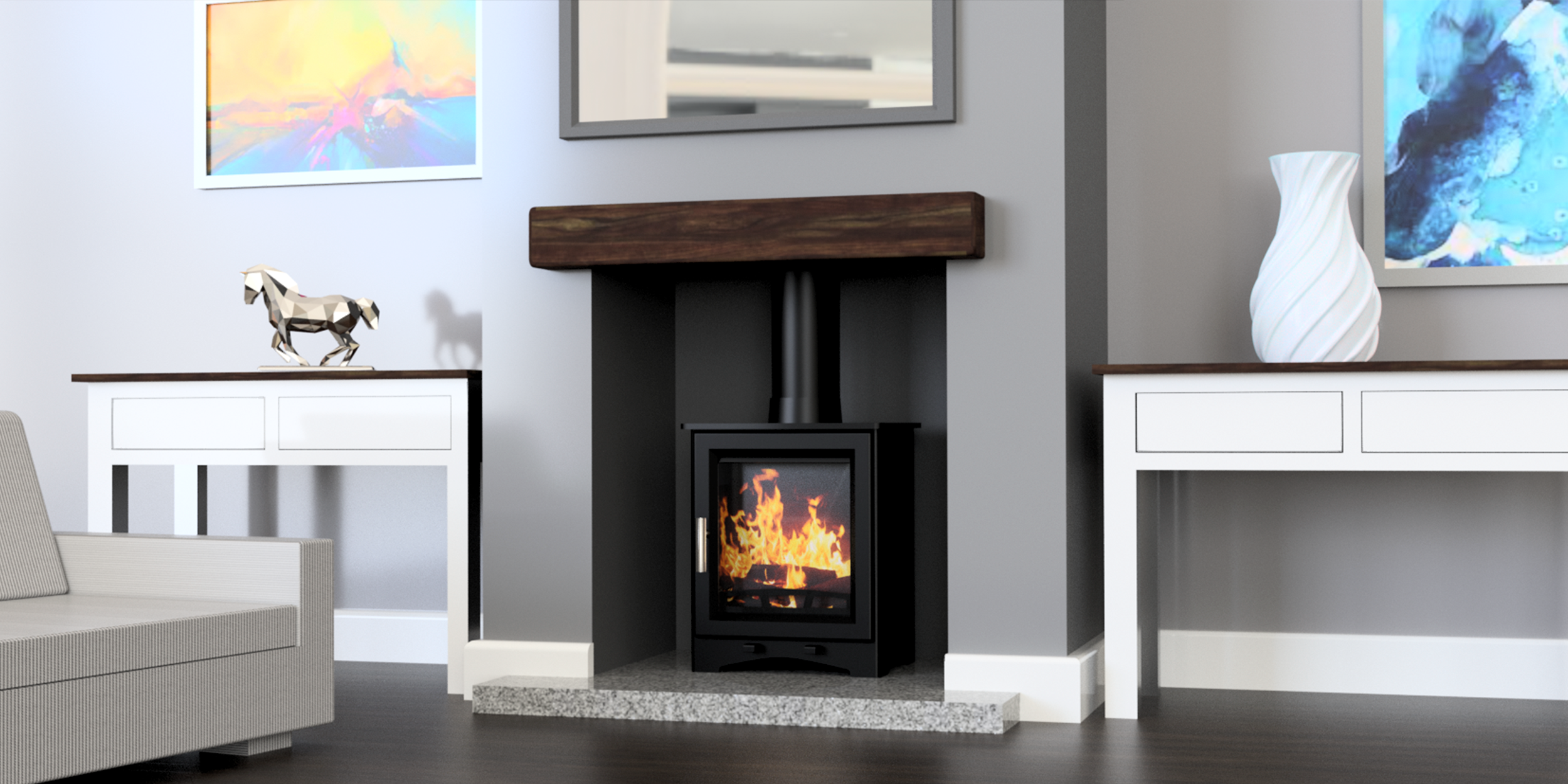
When it comes to choosing a stove for your home, two popular options often come up: multi-fuel stoves and wood burning stoves. Both offer efficient heating and a cosy ambiance, but which one is the better choice for you? Let’s explore the key differences, advantages, and considerations to help you decide.
What is a Wood Burning Stove?
A wood burning stove is designed specifically to burn wood logs. It provides a traditional, natural way to heat your home and creates a beautiful, crackling fire. Wood burning stoves are usually simple to operate and are perfect if you have a steady supply of seasoned wood.
What is a Multi-Fuel Stove?
A multi-fuel stove, as the name suggests, can burn a variety of fuels including wood, coal, peat, and sometimes smokeless fuels. This versatility allows you to choose the fuel that’s most convenient or economical for you. Multi-fuel stoves often have a grate inside to help with burning solid fuels like coal efficiently.
Key Differences
- Fuel Flexibility: Multi-fuel stoves can burn different types of fuel, giving you options. Wood burning stoves are limited to logs only.
- Firebox Design: Multi-fuel stoves have a grate and ash pan for burning coal and other fuels. Wood burners have a flat base designed for wood logs.
- Air Controls: Multi-fuel stoves often have more complex air control systems to manage different fuels, while wood burners focus on air flow suited to wood combustion.
- Efficiency and Emissions: Both types can be highly efficient and meet modern Ecodesign standards, but proper fuel choice and stove operation are crucial.
Advantages of Wood Burning Stoves
- Simpler to use and maintain.
- Ideal if you primarily want to burn wood.
- Often less expensive upfront.
- Produces a traditional wood fire experience.
Advantages of Multi-Fuel Stoves
- Greater fuel flexibility – useful if coal or smokeless fuels are more accessible.
- Can offer longer burn times with certain fuels.
- Suitable for areas where burning coal or smokeless fuels is permitted.
- Good option if you want versatility for different heating needs.
Which One Should You Choose?
Consider your fuel availability: If you have a reliable supply of seasoned wood and prefer the classic wood fire experience, a wood burning stove may be the best fit.
Think about versatility: If you want to switch between fuels or need flexibility based on fuel prices or availability, a multi-fuel stove provides more options.
Alternatively, you could purchase a wood burning stove such as the Birchley, which does have the option of purchasing a multi fuel kit to convert it to a multi fuel stove, allowing you to be more flexible with the types of fuel you use.

Check local regulations: Some areas have restrictions on burning certain fuels, so it’s essential to ensure your stove complies with local smoke control laws.
Budget and installation: Wood burners can sometimes be cheaper to purchase and install, but prices vary widely based on model and features.
Conclusion
Both multi-fuel and wood burning stoves offer efficient, attractive heating solutions. Your choice depends largely on your fuel preferences, lifestyle, and local regulations. Whichever you choose, a quality stove installed correctly will provide warmth and ambiance for years to come.