


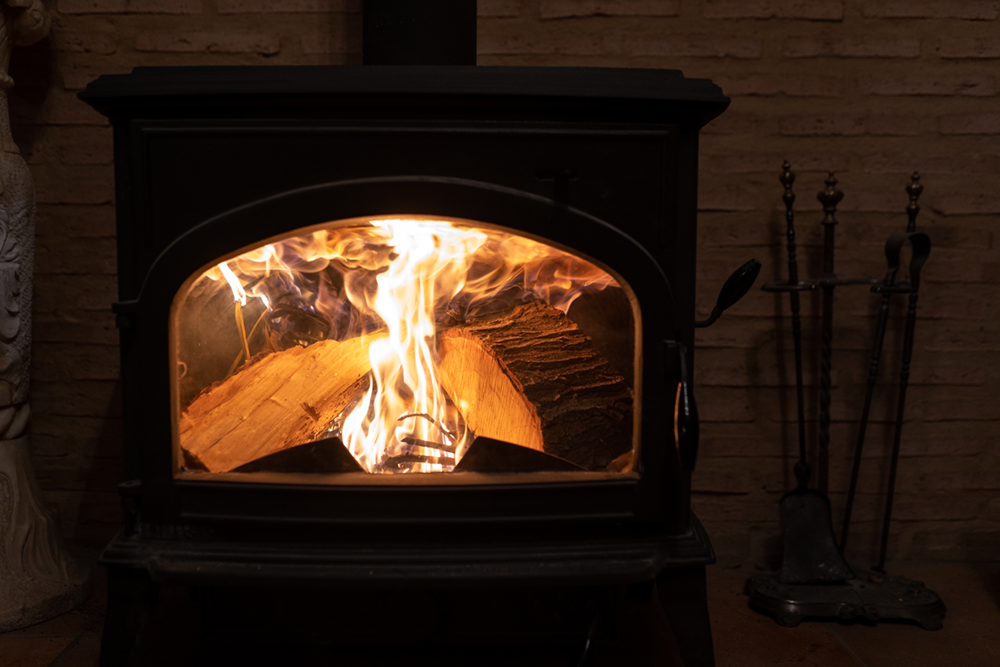
Real fireplaces have become incredibly popular in the UK. Many of us appreciate the comfort and charm of a wood-burning stove or open fire, and for some, it has once again become an essential part of home heating. However, improper use can lead to wasted money, damaged appliances, and environmental pollution.
Blackened stove glass is caused by a build-up of soot, creosote, and other combustion by-products. If the fire doesn’t burn hot enough or the wood isn’t properly seasoned, it produces more creosote, which blackens the glass. Follow these top tips to keep your stove glass clean and clear:
1. Burn Dry Wood
Only use wood with a moisture content of 20% or less. Season your wood for 6-12 months, splitting and stacking it to allow airflow. A moisture meter can help ensure your logs are ready to burn. Look for the ‘Ready to Burn’ logo or buy from trusted local sources to ensure the logs are dry enough to burn.
2. Maintain the Right Temperature
Use a stove thermometer to keep your fire burning between 400°F and 650°F. This ensures efficient combustion, reducing creosote buildup to give you a clear view of the flames.
3. Ensure Proper Airflow
Many modern stoves have air wash systems that help keep the glass clean. It helps direct a flow of air across the inside of the glass, helping to prevent soot from settling this. To ensure a good airflow, it’s also important to keep air vents open, especially during the initial ignition phase, to ensure proper ventilation and efficient burning.
4. Avoid Overloading
It may be tempting to fill your stove to the brim, but moderation is beneficial. Adding logs in measured amounts helps to maintain optimal burning, will keep the glass clean and clear.
5. Choose the Right Wood
When it comes to fuelling your wood stove, the choice of wood can make all the difference. Choose hardwoods like oak, ash, and maple, which burn hotter and produce less creosote than softwoods. Never burn treated wood or plastics, as they release harmful toxins which can be damaging to the environment, and bad for your health.
6. Clean Your Stove Regularly
Regular cleaning is essential. Use ash from the stove with a damp cloth for a mild abrasive clean, or opt for specialized stove glass cleaners available commercially.
7. Clean Your Chimney
It’s important to remember to have your chimney inspected and cleaned before you start using your stove over the colder months. Professional chimney sweeps can efficiently remove any blockages and buildup, ensuring your stove operates efficiently and safely. Regular inspections and cleaning help maintain the longevity of your stove and will help to prevent chimney fires.
8. Check Your Door Seal
Inspect the door seal for wear and tear before using your stove. A damaged seal can cause the glass to blacken. Replace the fire rope seal if necessary.
9. Light Your Fire Correctly
Use small kindling or firelighters to start your fire, then gradually add larger logs. Keep all air controls fully open until the fire is well-established. Once the fire is burning efficiently, adjust the controls to maintain the optimal temperature.
When the stove has been running at optimum temperature for 15 minutes or so, you can check to see if you have set the controls correctly by simply looking at the top of your chimney. If you see smoke, then there is not enough air getting in to the stove. Open the control up a bit, allow the fire to build for a few minutes and have another look. When there is no smoke, you’ve got it right!
By following these tips, you can enjoy the warmth and beauty of your wood-burning stove without the hassle of blackened glass.