


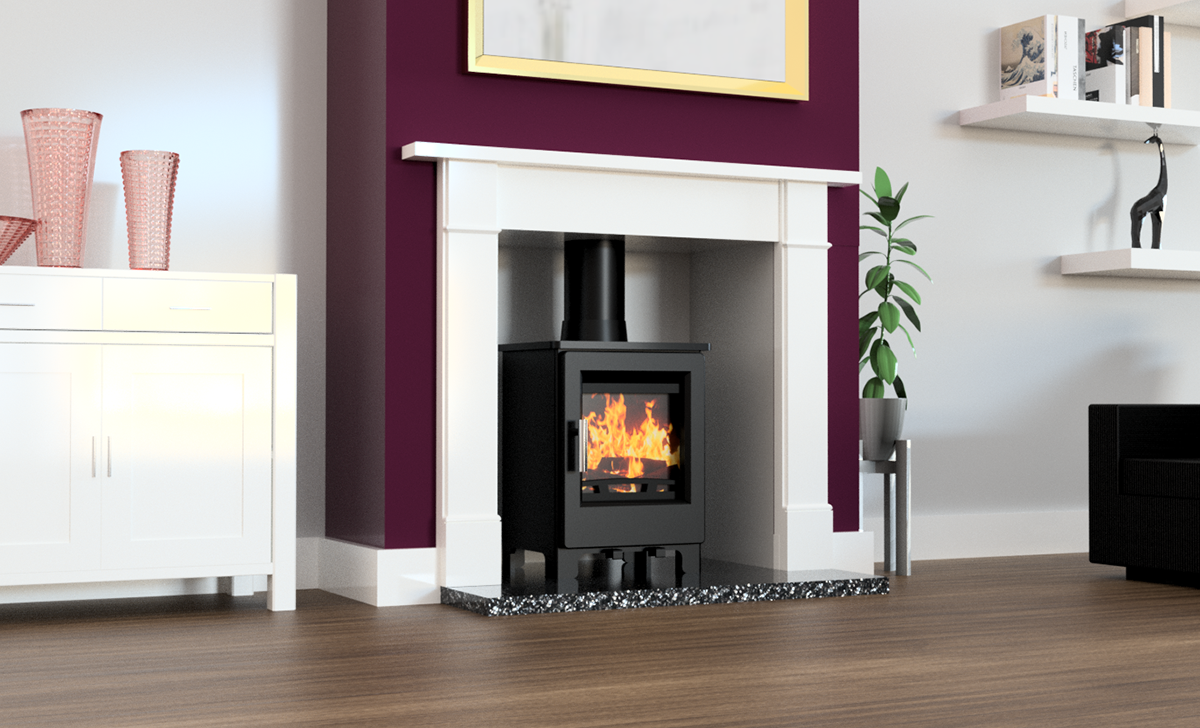
If you live in a Smoke Control Area, you might be wondering what kind of stove you can have in your home, and whether you can still enjoy a real fire. The good news is yes, you can, but there are rules to follow.
In this guide, we’ll explain what a Smoke Control Area is, what types of appliances are allowed, and which fuels you can safely and legally burn.
What Is a Smoke Control Area?
A Smoke Control Area is a part of the UK where local authorities restrict the amount of smoke that can be emitted from domestic properties. These rules are in place to improve air quality and reduce harmful pollution.
If you live in a Smoke Control Area, it’s illegal to emit smoke from a chimney unless you’re burning an approved fuel or using a Defra-exempt appliance.
You can check if you live in a Smoke Control Area by contacting your local council or visiting their website. There are also interactive maps2 that you can use. These are provided by the UK government and are updated with data from local authorities. You can find these here.
What Is a Defra-Exempt Stove?
A Defra-exempt stove (sometimes called a Smoke Exempt Appliance) is a wood-burning or multi-fuel stove that has been tested and approved for use in Smoke Control Areas.
These appliances are designed to burn fuel more cleanly, producing lower smoke emissions while still delivering plenty of heat.
When installed with the correct flue liner and components, they can safely be used in regulated areas.
All stoves in the Oakleaf Stove Collection are approved by Defra for use in smoke control areas, for trade prices please call us or log in to your trade account to order online.
Which Fuels Can You Burn in a Smoke Control Area?
Even if you have a Defra-exempt stove, it’s important to use the right type of fuel to stay within the law, minimise smoke emissions and get the best performance from your appliance.
Allowed fuels include:
- Ready to Burn-certified wood with a moisture content of 20% or less (if you season your own wood fuel consider investing in a moisture meter to check it is ready for use).
- Approved smokeless fuels such as anthracite, semi-anthracite or low volatile steam coal.
Not allowed:
- Wet or unseasoned wood
- House coal
- Waste materials (like plastics, treated wood, or rubbish)
Look for fuels carrying the ‘Ready to Burn’ logo or those listed on the Defra approved fuel list.
How Flue Supplies Can Help
When fitting a stove in a Smoke Control Area, it’s crucial to use the correct flue liner, cowl, and installation components to maintain safe operation and meet building regulations.
At FlueSupplies.com, we stock a wide range of flue systems, liners, and accessories suitable for Defra-exempt stoves. Whether you're working with a flexible liner for a traditional chimney or a twin wall system for a home without a chimney, we've got the products you need.
Need advice? Our team is always happy to help installers and homeowners select the right flue components for compliant, efficient stove installations.
Quick Recap
✔️ Check if your property is in a Smoke Control Area
✔️ Only use a Defra-exempt stove in these areas
✔️ Burn approved smokeless fuels or Ready to Burn-certified wood
✔️ Install the correct flue system to meet regulations
✔️ Source your components from trusted suppliers
Got Questions?
If you’re unsure about what stove or flue liner you need for a Smoke Control Area, get in touch with our expert team. Call us on 0344 8006586 or browse our range of flue systems and accessories here.
FAQs
Can I burn wood in a Smoke Control Area?
Yes — but only if you use a Defra-exempt stove and burn Ready to Burn-certified wood with a moisture content of 20% or less.
How do I know if my stove is Defra-approved?
Check your stove’s manual or manufacturer’s website. You can also find a list of approved appliances on the official UK government Defra website.
Do I need a special flue liner for a Defra-exempt stove?
While there’s no special liner required by law for a Defra stove, it’s essential to use a high-quality stainless steel flue liner or suitable twin wall system to comply with building regulations and manufacturer recommendations.